
Office Hours
Mon & Fri 9 AM-6 PM
Tues & Thurs 8 AM-8 PM
Wed & Sat 9 AM-3 PM
Address
507 S. Main Street Naperville, IL 60540
Contact Us
630.420.0013
Mon & Fri 9 AM-6 PM
Tues & Thurs 8 AM-8 PM
Wed & Sat 9 AM-3 PM
507 S. Main Street Naperville, IL 60540
630.420.0013
Understanding the cause is the first step.
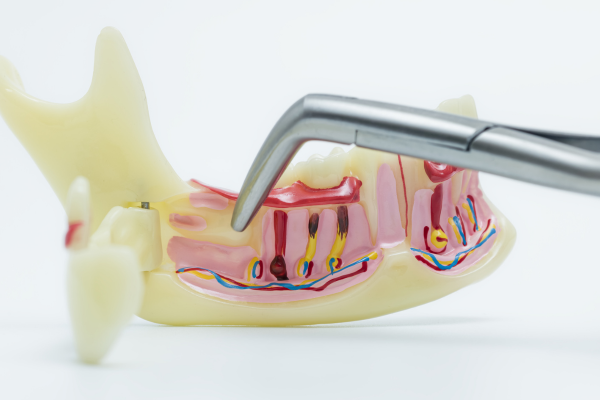
The body’s nervous system is highly complex. The largest cranial nerve, the trigeminal nerve, branches off into three parts – the ophthalmic nerve branch controls your eyes, the maxillary nerve branch controls your upper jaw (including your sinuses and nasal cavity), and the mandibular nerve branch controls the lower jaw (including the muscles involved in chewing).
Due to the close proximity of these nerves, occasionally you will feel referred pain in your teeth or jaw that is actually caused by something else (like a sinus infection). Similarly, when a tooth is damaged by trauma or decay, the root is exposed, or an infection is present, the pain from an irritated nerve may radiate into other parts of the jaw.
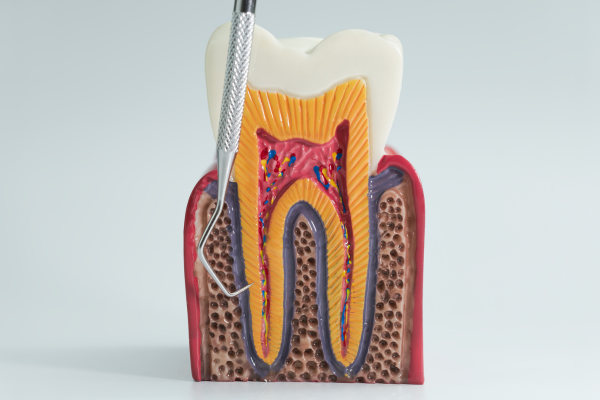
If you are experiencing dental nerve pain, it is important to be seen by a dentist to determine the cause. In many cases, the nerve has been exposed by enamel wearing away or decaying, causing a small pathway to the nerve. When discovered early, a filling is a very effective means of treating nerve pain.
In some cases, the nerve going into the root of the tooth may be damaged to the point that it can no longer keep the tooth viable. The necessary treatment when the nerve is damaged is root canal therapy.
And in other situations, when the nerve is irritated because the root is exposed due to gum recession, periodontal treatment may be necessary.
Each case is unique and needs to be assessed to create the right treatment plan to bring you relief from pain.
Stay in touch with our office and receive dental advice, conveniently delivered to your inbox.
© 2026 JA Haselhorst DDS LTD. All Rights Reserved.
507 S. Main Street, Naperville, IL 60540 │ 630.420.0013
We use cookies to improve your experience on our site. By using our site, you consent to cookies.
Manage your cookie preferences below:
Essential cookies enable basic functions and are necessary for the proper function of the website.